South Florida thunderstorms can produce much more than heavy rain and strong winds. Lightning strikes are another serious threat to residential and commercial properties, and the resulting damage is not always immediately visible.
When lightning strikes a roof, the consequences can range from localized damage to roofing components to fires involving attic spaces, electrical systems, insulation, and structural framing.
At FirstLine Roofing, we’ve encountered lightning-related roofing and fire damage throughout our work in South Florida. These incidents illustrate why a lightning strike should never be treated as simply another roof leak.
For homeowners in Coral Springs, Parkland, Tamarac, and surrounding communities, understanding what can happen during a lightning strike is important for protecting both the building and its occupants.
What Happens When Lightning Strikes a Roof?
Lightning is an electrical discharge capable of producing extremely high temperatures and substantial electrical current.
When a strike contacts a building, electrical energy may travel through conductive materials, including metal components, electrical wiring, plumbing, and other available pathways.
The exact path and resulting damage vary considerably.
A lightning strike can potentially cause:
- Broken, displaced, or damaged roofing materials
- Damage to roof decking and structural components
- Ignition of combustible building materials
- Fire and smoke damage within attic spaces
- Damage to electrical wiring and connected equipment
- Damage to insulation and interior finishes
- Water intrusion following damage to the roof covering
Not every lightning strike results in a fire, and not every affected roof requires replacement.
However, the possibility of concealed damage makes a professional evaluation important.
Can Lightning Actually Start a Roof Fire?
Yes. Lightning can ignite combustible materials within a roof or attic assembly.
A direct strike may create intense localized heating, electrical arcing, or other conditions capable of igniting nearby combustible materials.
Depending on the building’s construction, ignition may occur near roof decking, wood framing, wiring, insulation-facing materials, or other components.
A particularly concerning scenario involves fire developing inside an attic or concealed building cavity.
The exterior roofing material may show relatively limited damage while smoke, heat, or flames have affected components beneath it.
That’s why the visible point of impact should not automatically be considered the full extent of damage.
If you suspect lightning has caused a fire, evacuate and contact emergency services. Do not enter an attic or attempt to investigate the roof yourself.
Why Lightning Damage Can Be Difficult to Identify From the Ground
Some roof failures are obvious.
Missing shingles, displaced tiles, damaged ridge components, and visible openings can be identified relatively quickly.
Lightning damage can be different.
Depending on the circumstances, the exterior may show cracking, fractures, punctures, scorching, or displaced materials. Other damage may be concentrated beneath the roofing system.
A homeowner looking up from the driveway may not recognize the extent of the problem.
In some cases, the initial warning signs may involve unusual electrical behavior, smoke odors, tripped breakers, or interior staining after subsequent rainfall.
None of those symptoms independently proves that lightning struck the roof.
Determining the cause requires evaluating the available evidence and considering other possible sources of damage.
Tile Roofs and Lightning Strikes
Concrete and clay tile roofing systems are common throughout South Florida, especially in neighborhoods across Parkland, Coral Springs, and Tamarac.
Although roof tiles provide a durable exterior covering, they do not make a building immune to lightning-related damage.
A strike can potentially fracture or displace tiles, damage underlying components, or affect other parts of the roof assembly.
The visible tiles are only one part of the system.
Underlayment, flashings, roof decking, attachment components, and structural framing may also require evaluation.
Replacing visibly damaged tiles alone may be insufficient if the underlying assembly has been compromised.
Learn more about FirstLine Roofing’s tile roofing services.
Shingle, Metal, and Flat Roofs Can Also Be Affected
Lightning-related damage is not limited to tile roofing.
Asphalt shingle roofs may experience localized damage to the covering, decking, or nearby structural components.
Metal roofing systems can conduct electrical current, but the presence of a metal roof does not automatically mean a building is more likely to be struck. Proper lightning protection involves the design and installation of an appropriate system, not simply the selection of a roofing material.
Commercial and residential low-slope roofing systems may also experience damage involving membranes, insulation, penetrations, or equipment mounted on the roof.
Regardless of the roof type, the appropriate inspection should consider both the visible covering and potentially affected concealed components.
The Structural Damage That Can Follow an Attic Fire
When lightning causes a fire within an attic, the resulting damage may extend beyond the original point of impact.
Roof rafters, engineered trusses, roof decking, connectors, and other structural components can be affected by heat and combustion.
Fire exposure can reduce the structural capacity of wood members and compromise connections, even when portions of the framing remain standing.
An important distinction is that the presence of charred material does not, by itself, establish whether a structural member can be retained or must be replaced.
That determination depends on the severity of damage, structural requirements, and appropriate professional evaluation.
Where structural framing is affected, a qualified structural engineer may need to evaluate the assembly and develop repair recommendations.
A roof fire is not simply a roofing-material replacement project when the supporting structure has been compromised.
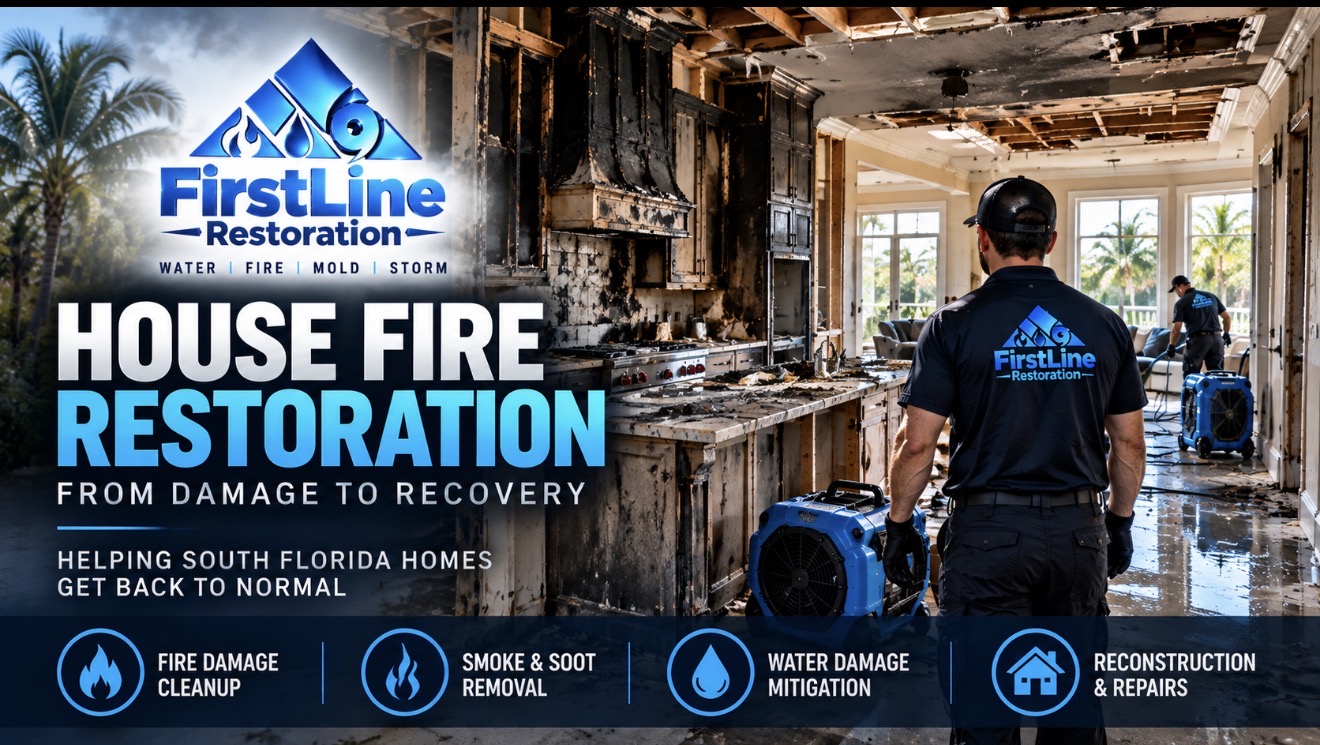
Firefighting Water Can Create Additional Property Damage
Another consequence of a roof or attic fire is water damage resulting from firefighting operations.
Even after the fire has been extinguished, water may remain within insulation, ceiling assemblies, wall cavities, flooring, and other materials.
That creates a second restoration concern.
The building may require fire-damage cleanup, removal of affected materials, water mitigation, structural drying, and reconstruction.
Because FirstLine Construction Corp. operates through FirstLine Roofing and FirstLine Restoration, our team understands how these different phases of a property loss relate to one another.
The roof may need to be repaired or reconstructed, but the interior and structural consequences also need to be addressed.
What Should You Do After Suspected Lightning Damage?
If lightning strikes your home or you suspect a strike caused damage, safety comes first.
Leave the Building if There Are Signs of Fire
Smoke, flames, burning odors, or other signs of an active fire require immediate attention from emergency services.
Do not enter the attic or climb onto the roof.
Avoid Potential Electrical Hazards
Lightning can affect electrical systems and connected equipment.
Do not touch damaged electrical components or attempt to reset breakers associated with suspected damage. Arrange for a qualified electrician to evaluate the system when it is safe.
Wait for the Property to Be Cleared for Entry
If firefighters responded, follow their instructions regarding access and occupancy.
Fire-damaged structures may contain unstable components and other hazards that are not obvious.
Document the Visible Conditions
Once access is safe, photographs of exterior damage, interior conditions, and affected building materials may help establish the scope of the loss.
Arrange Appropriate Professional Evaluations
Depending on the incident, the property may require a roofing contractor, electrician, structural engineer, and fire restoration professionals.
The appropriate scope should be based on documented damage rather than assumptions.
Does Lightning Damage Mean the Entire Roof Must Be Replaced?
Not necessarily.
A lightning strike does not automatically establish that a complete roof replacement is required.
A localized incident may affect a limited portion of the roof covering and underlying assembly.
Other incidents may cause extensive damage involving decking, structural framing, multiple roof sections, and interior building components.
Several factors influence the appropriate repair scope:
- Location and extent of the impact
- Condition of the roofing materials
- Damage to underlayment and decking
- Structural framing conditions
- Fire and heat exposure
- Water intrusion
- Existing roof condition
- Applicable building code and product installation requirements
A properly developed repair plan should address the actual damaged components and restore the affected assembly to applicable requirements.
For larger projects, explore FirstLine Roofing’s roof replacement services.
Can a Roof Be Repaired After Fire Damage?
In some circumstances, yes.
The feasibility of repair depends on the extent of damage, roofing system, structural condition, and applicable requirements.
For example, a localized area may be repairable if surrounding components remain serviceable and an appropriate repair can be completed.
However, when fire has compromised roof decking, framing, or multiple interconnected components, the work may require more extensive reconstruction.
A structural evaluation may also be necessary before roofing work proceeds.
The objective is not simply to conceal the visible evidence of a fire.
It is to restore the affected roof assembly appropriately.
Why Roofing and Fire Restoration Should Be Coordinated
Lightning-related property losses can involve several overlapping scopes of work.
A roofing contractor may need to address the exterior covering and waterproofing components.
A restoration contractor may need to manage smoke residues, fire-damaged materials, and water damage from firefighting operations.
An electrician may need to evaluate damaged circuits and equipment.
A structural engineer may be required when framing or other load-bearing components are affected.
These activities should be coordinated so that one phase of work does not interfere with another.
For example, permanent roofing installation may depend on structural repairs being completed first.
Likewise, interior reconstruction should not proceed before the building is appropriately protected from further water intrusion.
This coordination is especially important when damage extends from the roof into attic and occupied areas.
Can a Lightning Protection System Prevent Roof Damage?
A properly designed lightning protection system can reduce certain risks associated with a lightning strike by providing intended pathways for electrical current.
However, no system can guarantee that lightning-related damage will never occur.
Lightning protection systems are specialized assemblies involving components such as air terminals, conductors, grounding arrangements, and bonding.
They should be designed and installed by appropriately qualified professionals according to applicable standards.
The National Fire Protection Association publishes NFPA 780, a standard addressing lightning protection systems.
Homeowners interested in lightning protection should consult qualified specialists rather than assuming a particular roofing material provides complete protection.
Frequently Asked Questions About Lightning and Roof Damage
Can lightning strike a house with a tile roof?
Yes. Tile roofing does not prevent a building from being struck by lightning.
Can lightning cause an attic fire without major visible roof damage?
Yes. Depending on the strike and electrical pathways involved, ignition or damage may occur within concealed portions of the building.
Should I call a roofer after lightning strikes my house?
After any immediate emergency has been addressed and the property is safe, a roofing evaluation may be appropriate to identify damage to the roof covering and underlying components.
Can lightning damage roof trusses?
A lightning-related fire can damage structural framing, including engineered trusses. Suspected structural damage should be evaluated by an appropriately qualified professional.
Does homeowners insurance cover lightning damage?
Many homeowners insurance policies provide coverage for certain lightning-related losses, but coverage depends on the specific policy, exclusions, conditions, and circumstances. Property owners should review their policy and consult their insurance professional when necessary.
Can a lightning-damaged roof develop leaks later?
Yes. Damage to roofing materials, flashing, underlayment, or other components can create pathways for water intrusion during subsequent rainfall.
Lightning Damage Roof Inspections and Repairs in South Florida
South Florida’s frequent thunderstorms make lightning-related property damage an important concern for homeowners and commercial property owners.
When lightning affects a roof, the damage may involve much more than the visible roofing material.
Fire, smoke, structural deterioration, electrical damage, and water intrusion can all become part of the same incident.
At FirstLine Roofing, we provide residential and commercial roofing evaluations, repairs, and replacements throughout Coral Springs, Parkland, Tamarac, Coconut Creek, Deerfield Beach, Boca Raton, and surrounding South Florida communities.
Our experience across roofing, general construction, and restoration allows us to understand the broader implications of roof-related property losses.
For local service information, visit our Coral Springs roofing page or Tamarac roofing page.
Has your property experienced suspected lightning-related roof damage or a roof fire?
Once emergency hazards have been addressed and the property is safe, contact FirstLine Roofing to discuss a professional roofing evaluation and the appropriate next steps.
FirstLine Roofing
954-282-5224
Florida Certified Roofing Contractor: CCC1334142
Florida Certified General Contractor: CGC1530039
Serving Broward, Palm Beach, and Miami-Dade counties.
First in. Last out. Built by FirstLine.